Now Reading: When Fashion Forgets 70% of Female Reality – Bodysuits and Swimwear, Symbols of Body Exclusion
-
01
When Fashion Forgets 70% of Female Reality – Bodysuits and Swimwear, Symbols of Body Exclusion

When Fashion Forgets 70% of Female Reality – Bodysuits and Swimwear, Symbols of Body Exclusion

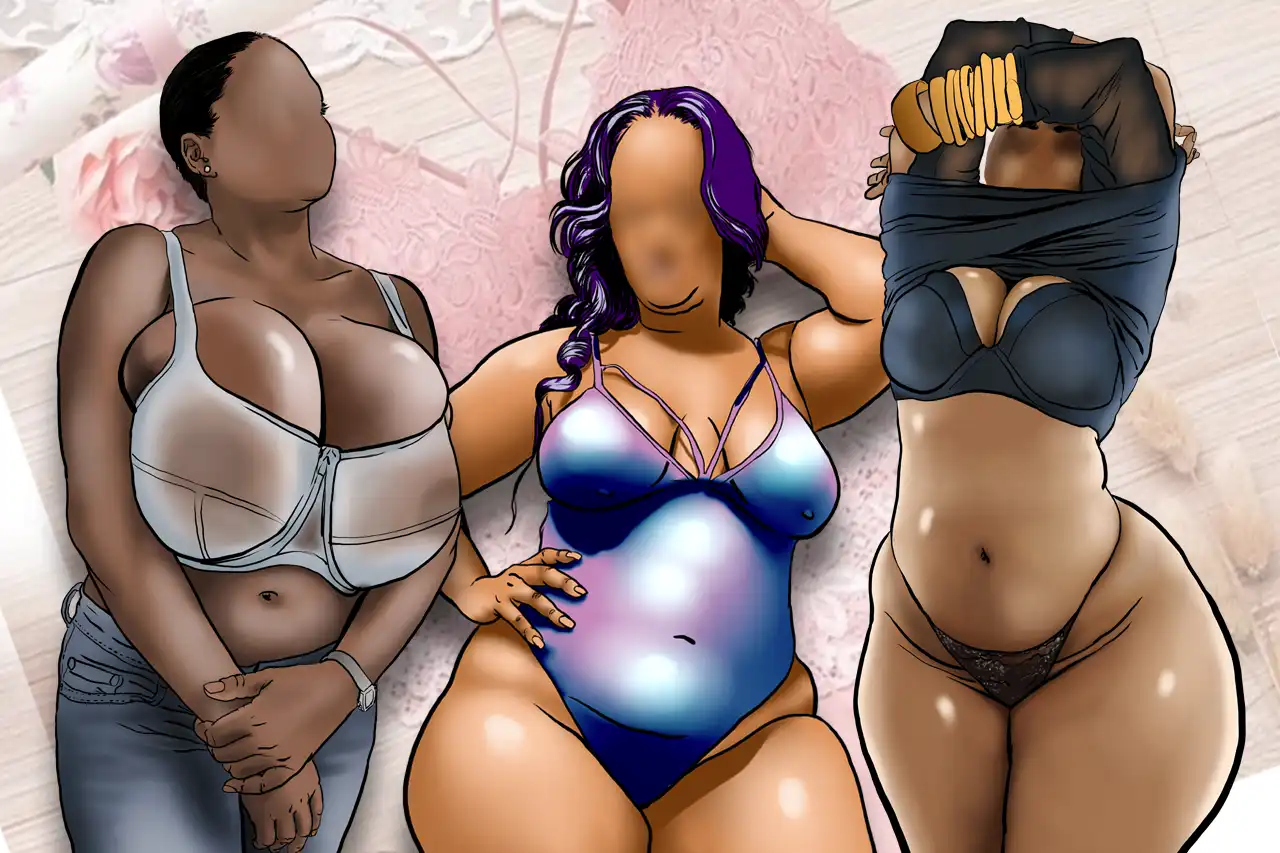
« This feeling of failure when facing clothing is a physical validation of the idea that one's body is the fault, not the garment. »
It’s time to ask the question that bothers the fashion, lingerie, and swimwear industries: who are you really making clothes for? The answer, when observing window displays and catwalks, seems despairingly clear: for a minority of women with standardized, slender body types, often lacking the generous curves that characterize a large part of the global population, and particularly Black women and women of color.
The example of the bodysuit and the one-piece swimsuit—these form-fitting, sexy garments meant to celebrate the female silhouette—is, in this regard, the most biting. They are presented as the uniform of empowerment, but in their current design, they are primarily powerful instruments of body exclusion.
A glance at luxury collections and inspirational galleries (like those showcasing lingerie or swimwear trends) reveals an undeniable truth: models with long, lean figures, small busts, and narrow hips. These pieces are cut for bodies that simply do not resemble those of a vast majority of women, and certainly not those of Black women, who often carry generous curves and roundness as physical trademarks.
The Dictate of “Standard Size” and the Ignorance of Diversity
The problem with bodysuits and swimsuits is that they are the most demanding items in a wardrobe in terms of fit. They must hug the body, support it, and smooth it out. Yet, they are designed from basic patterns that utterly ignore the unique distribution of volume in Black women:
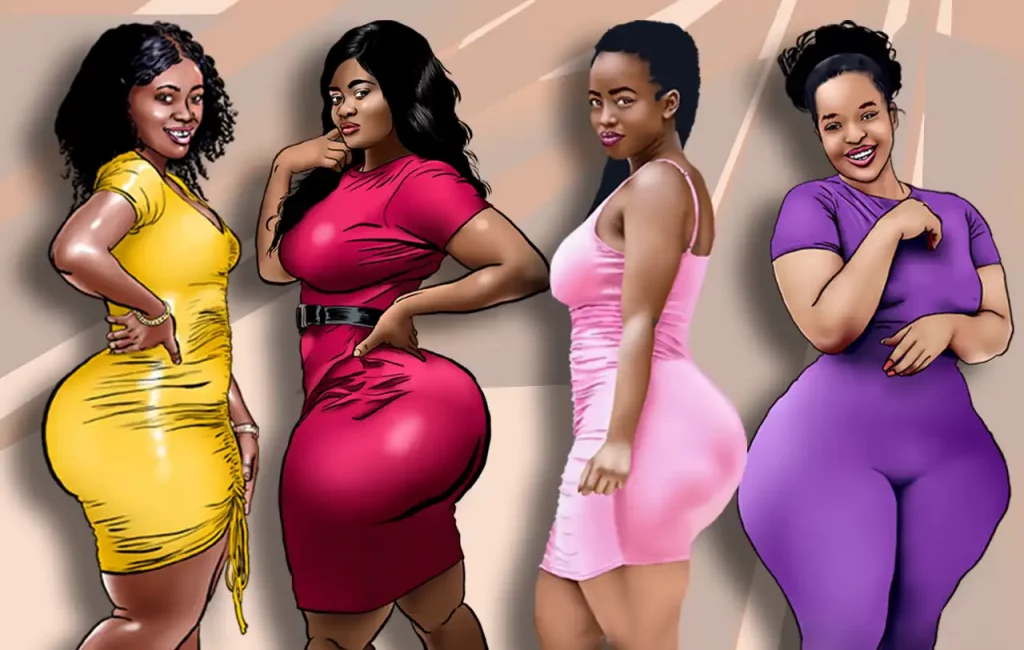
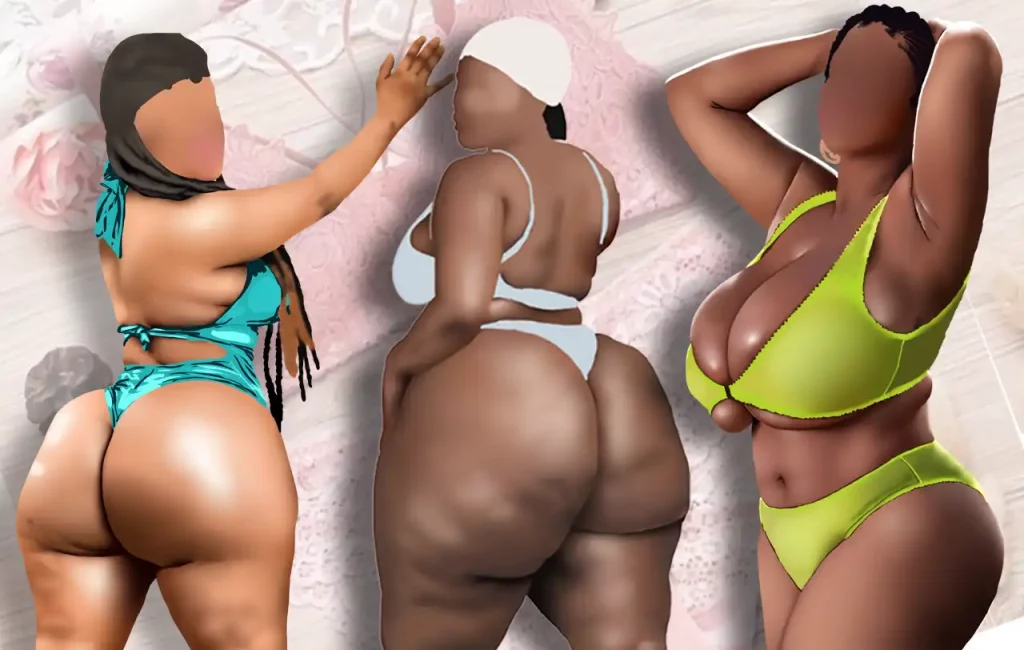
- The Buttocks and Hips Equation: For a Black woman, a swimsuit or bodysuit must be able to accommodate hips and buttocks that are often wider than the bust, without creating a “rope” effect cutting into the skin. Most standard designs pull on the seams, roll up on the thighs, or offer ridiculous coverage at the back. A swimsuit is supposed to stay put; for bodies with voluptuous curves, it shifts and deforms at the first movement.
- The Issue of the Bust and Support: Cup sizes vary considerably. A bodysuit or one-piece swimsuit designed for a small bust (B cup) will offer zero support or uncomfortable crushing for a generous bust (D+ cup). The absence of structured cups, boning, or adequate support makes these garments unusable for daily support or even simple elegance.
- The Torso Length Problem: The distance between the crotch and the shoulder can vary greatly, regardless of the garment’s overall size. Women with longer torsos or lower hips often end up with a piece that pulls violently on the crotch, making the garment painful and impractical.
By offering only designs made for a rectangular or H-shaped body type (the easiest to standardize), the industry sends a clear message: if your body doesn’t fit this mold, you are invisible or, worse, your body is “abnormal.”
The Psychological Cost of Exclusion
For the Black woman, who has often already fought against misogynoir (sexism tinged with racism) and cultural mockery targeting her shape (buttocks, lips, hair), this clothing exclusion is not trivial.
For decades, popular culture has either over-sexualized the shapes of Black women or ignored them. When fashion finally “celebrates” curves, it only does so performatively, without the necessary design effort.
Buying a supposedly flattering bodysuit or swimsuit and finding that it doesn’t fit, cuts off circulation, or fails to adjust is not a simple inconvenience; it is a physical validation of the idea that her body is the fault, not the garment. This feeling of failure in the face of clothing is all the more frustrating because the Black woman’s body is inherently unique and original. It doesn’t ask to be hidden, but to be supported and highlighted by intelligent design.
The Imperative for Intelligent, Inclusive Design
It is imperative that lingerie and swimwear brands radically change their approach to design. Inclusivity does not stop at size 4XL; it starts with understanding the distribution of body mass and investing in complex patterns.
« It is not our differences that divide us. It is our inability to recognize, accept, and celebrate those differences. »
Audre Lorde
Here is what the industry MUST produce with curvy women in mind
Bi-Dimensional Design: Adopt patterns that account for the size difference between the top (bust) and the bottom (hips and buttocks). One-piece swimsuits must incorporate adjustments at the sides or back to balance the tension between these two points.
Vertical Flexibility (Long-Torso Option): Systematically offer adjustable torso length options (e.g., adjustable straps or multi-position crotch snaps) to accommodate diverse heights and proportions.
Integrated and Non-Crushing Structure: Require that bodysuits and swimsuits offer integrated bra sizing (36B, 40D, etc.) rather than simple elastic bands. Materials must be compressive where support is needed, but flexible so as not to cut into the body.
Patterns Based on Reality: Brands must invest in pattern research based on 3D scans and real measurements of diverse bodies. They must hire diverse designers and pattern makers who intrinsically understand how fabric should hug complex shapes.
Excluding voluptuous bodies is not just a moral injustice; it is a monumental economic error. The brands that will succeed tomorrow are those that stop pretending to celebrate diversity only to sell to a small fraction of the population.
The bodysuit and swimsuit, when done well, are a celebration of the female form. It is time for the industry to stop using these pieces to validate an unrealistic standard of thinness and start designing them for every woman, recognizing and valuing the unique and authentic beauty that is hers.