
Now Reading: The Art of the African Kitchen: Where Functionality and Tradition Design the Heart of the Home
-
01
The Art of the African Kitchen: Where Functionality and Tradition Design the Heart of the Home

The Art of the African Kitchen: Where Functionality and Tradition Design the Heart of the Home

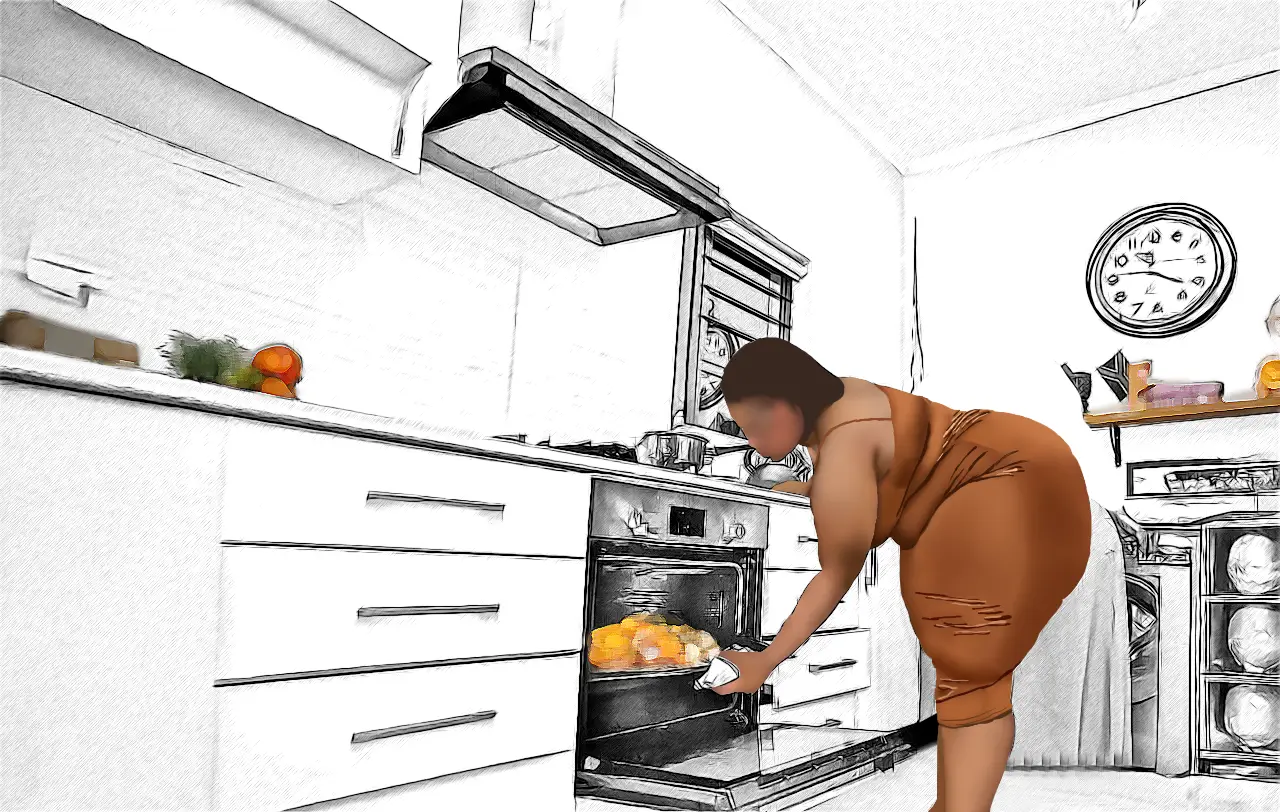
In Africa, the kitchen is the heart of the home. Designing this space requires a vision: from heat-resistant granite for traditional cooking to high-performance ventilation for our rich spices, discover how to blend modern design with African lifestyle. A well-designed kitchen is the promise of a happy home!
In Africa, the kitchen is more than just a meal prep area; it is the home’s nerve center, a space for heritage transmission, and a symbol of social status. Today, the modern African woman is reinventing this space. Balancing aspirations for contemporary design with the realities of local culinary traditions, here are the keys to a successful layout.
The Beating Heart of the African Home
For decades, the kitchen was relegated to the background of domestic architecture, often perceived as a purely utilitarian or even outdoor space. Yet, in African culture, this is where everything happens. It is the place where ancestral recipes meet modern innovations, and where the most important family discussions come to life.
Today, kitchen design has become a top priority for women who want to combine aesthetics, comfort, and efficiency. However, configuring a kitchen in Africa requires thinking beyond European decor catalogs. One must account for the climate, specific cooking methods, and the importance of hospitality.
Ergonomics: The Local Version of the “Golden Triangle”
The first secret to a successful kitchen lies in ergonomics. Experts often talk about the work triangle (the flow between the refrigerator, the sink, and the stovetop).
However, for the African woman, this triangle must be adapted. Preparing traditional dishes (pounding yam, cleaning leafy vegetables, butchering meat) often requires large countertop surfaces.
Expert Tip: Opt for countertops that are wider than the standard (70 cm instead of 60 cm) and plan for a lower-height zone for tasks that require physical strength or long hours of preparation.
Material Choices: Withstanding Time and Heat
The tropical climate and intense cooking methods (long boiling, deep frying) put materials to the test.
Cabinetry: Avoid materials that are too sensitive to humidity. Treated solid wood or high-quality acrylic finishes are preferred to prevent warping caused by steam.
Countertops: Granite and marble remain king in Africa. They are naturally cool, heat-resistant, and easy to clean after using colorful spices like turmeric or palm oil.
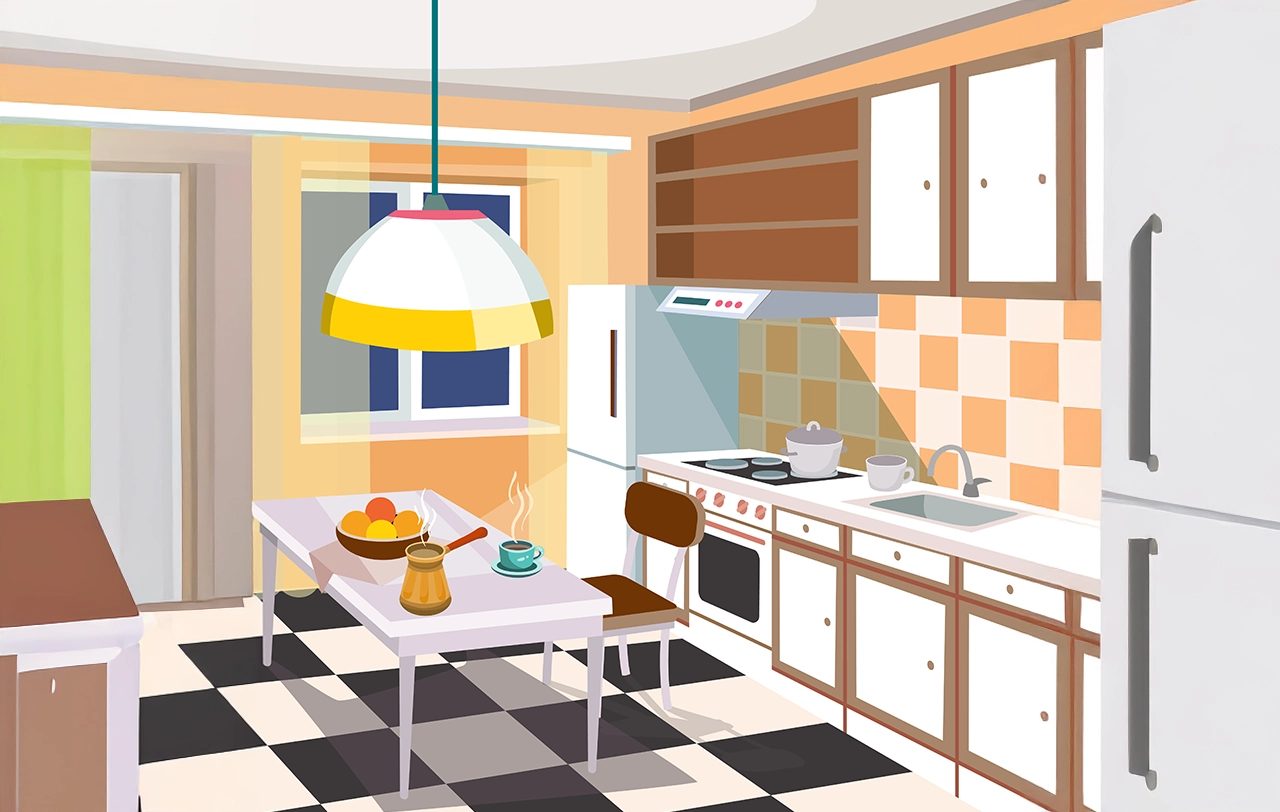
Ventilation: The Challenge of Aromas and Heat
This is arguably the most critical point. African cuisine is rich in aromas, but also in smoke and steam.
- The Range Hood: Do not compromise here. You need a powerful extraction hood capable of quickly renewing the air.
- Natural Light and Air: Whenever possible, install large windows. A naturally well-ventilated kitchen reduces the spread of humidity and makes time spent at the stove much more pleasant during heat waves.
Storage: The Art of Anticipation
In Africa, items are often bought in bulk (sacks of rice, jugs of oil, tubers). The layout must therefore include a pantry or deep, airy cupboards.
- The Trick: Integrate “pull-out” drawers for heavy loads. Nothing is more tiring than emptying an entire cupboard to reach the back. Also, set aside a specific space for spices, which are often numerous and varied.
The kitchen is the heart of the home, the place where memories are created and where love is the main ingredient.
The “Dirty Kitchen” vs. The “Show Kitchen”
A strong trend is emerging in modern constructions: the separation between the open (American-style) kitchen and the “preparation kitchen” (sometimes called the grease or outdoor kitchen).
The Prep Kitchen: For long-simmering dishes, frying, and messy tasks. This setup keeps the rest of the house fresh and impeccable.
The Open Kitchen: For breakfast, quick meals, and entertaining guests.
Energy and Technology
Given the energy stability challenges in certain regions, the forward-thinking woman opts for a mix:
- Hybrid Cooktops: A blend of induction (for speed and modernity) and gas (for reliability and traditional cooking in woks or heavy pots).
- Electrical Protection: Installing voltage regulators for expensive appliances (American refrigerators, ovens) is a non-negotiable step in the setup.
Conclusion: A Kitchen That Reflects You
Designing your kitchen means defining your lifestyle. For the African woman, it is an opportunity to marry cutting-edge technology with the values of sharing and community. Whether you choose an ultra-modern minimalist style or a warm kitchen with wooden accents, the key is that the space serves your comfort—not the other way around.
A well-thought-out kitchen is the promise of flavorful meals and unforgettable family moments.

Related Posts


Stay Informed With the Latest & Most Important News
Previous Post
Next Post







Advertisement
