Now Reading: Queens of the Green Screen: Female Icons of Nigerian Cinema
-
01
Queens of the Green Screen: Female Icons of Nigerian Cinema


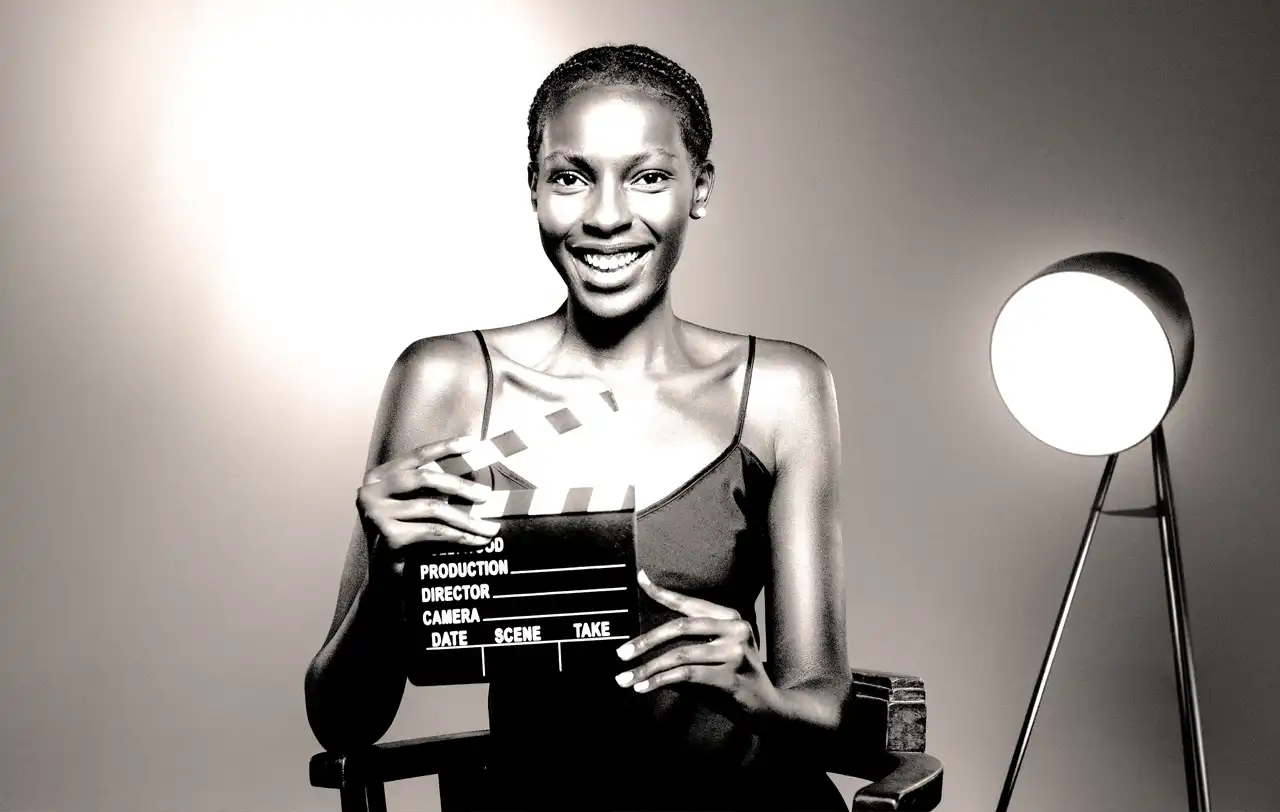
The text celebrates the rise and influence of Nigerian women, the true artistic and economic pillars of modern African cinema.
Nigerian cinema, affectionately known as Nollywood, is a unique and powerful cultural phenomenon. As the second-largest film industry in the world by production volume—behind Bollywood and ahead of Hollywood—Nollywood is a giant that has captivated millions of viewers across Africa and the diaspora. At the heart of this success story are exceptional women—actresses, directors, and producers—whose talent, perseverance, and charisma have shaped the identity and evolution of this flourishing industry. More than just performers, these female celebrities have become symbols of empowerment, seasoned entrepreneurs, and influential voices, reflecting the complexities and triumphs of the modern Nigerian woman.
The Pioneers: Foundations of an Empire
The history of Nollywood, as we know it, truly began in the early 1990s with films shot on video, rapidly produced and distributed. From this founding era, actresses established themselves as the recognizable faces of this new form of entertainment.
Liz Benson (Ameye) was one of the first to capture public attention with her classic beauty and talent. Films like Glamour Girls (1994) and Diamond Ring (1998) cemented her status as an icon. She often portrayed strong yet vulnerable women, archetypes that resonated deeply with female audiences of the time.
Omotola Jalade Ekeinde, affectionately called “Omosexy,” emerged as a major force by the mid-90s. Her ability to embody a vast range of characters, from submissive women to fatal seductresses, earned her immense popularity. Her role in Mortal Inheritance (1996) is often cited as one of her most memorable. Beyond her performances, Omotola became a true brand, venturing into music, philanthropy, and activism.
Genevieve Nnaji is undoubtedly one of Nollywood’s most emblematic and influential actresses. Her natural elegance and undeniable talent propelled her to superstar status. Genevieve was a pioneer in many ways, becoming one of the first Nigerian actresses to sign major international sponsorship deals. Her ambition led her to production and directing; her film Lionheart (2018) made history as the first Nigerian original film acquired by Netflix.
The Golden Age and Diversification
With Nollywood’s exponential growth in the 2010s, new stars emerged, bringing fresh narrative approaches.
- Rita Dominic: A remarkably versatile actress, admired for her professionalism. Her role in The Meeting (2012) helped raise the industry’s technical and narrative standards.
- Mercy Johnson Okojie: Highly regarded for her intense and emotional performances, she never hesitates to take on demanding and complex roles.
- Funke Akindele Bello: Known as “Jenifa,” she is an unparalleled comedic force. She has built an empire around her brand, demonstrating the power of transmedia storytelling.

The New Wave: Global Ambitions
Recent years have seen a new generation of talent that benefits from streaming platforms like Netflix and Amazon Prime Video.
Adesua Etomi-Wellington has become one of the most prominent actresses of this generation. Films like The Wedding Party (2016) catapulted her to the forefront. Alongside her, stars like Nancy Isime, Sharon Ooja, and Ini Dima-Okojie represent this new wave, appearing in increasingly sophisticated productions that explore modern themes of career, feminism, and identity.
Nollywood is not just about making films; it is about telling our own stories, in our own way.
Genevieve Nnaji
Activism and Entrepreneurship
The influence of these women extends far beyond the studio. Many are powerful voices for social change. Omotola Jalade Ekeinde has campaigned for Amnesty International, while Genevieve Nnaji is a staunch advocate for women’s empowerment.
They are also shrewd businesswomen, launching ventures in fashion, beauty, and real estate. By managing their careers as brands, they have gained autonomy in an industry where formal support structures can be limited.
Conclusion
From the early pioneers to the modern global stars, these women are the builders of an industry and the storytellers of a culture. Their talent and determination have transformed Nollywood into a global phenomenon, and their influence will continue to grow as Nigerian cinema conquers the international stage. They are, rightfully so, the undisputed queens of the green screen.

Related Posts


Stay Informed With the Latest & Most Important News
Previous Post
Next Post
Previous Post

Next Post






Advertisement

frenify
I really enjoyed reading this. The content is informative, and the layout makes it so easy to follow. Looking forward to more posts like this! Keep up the great work!
frenify
Thank you for your kind words! We’re glad you enjoyed the post. Stay tuned for more content – we’ve got plenty more coming your way.