
Now Reading: Black Skin: Are There True Specialists—And Which Products Really Work?
-
01
Black Skin: Are There True Specialists—And Which Products Really Work?

Black Skin: Are There True Specialists—And Which Products Really Work?

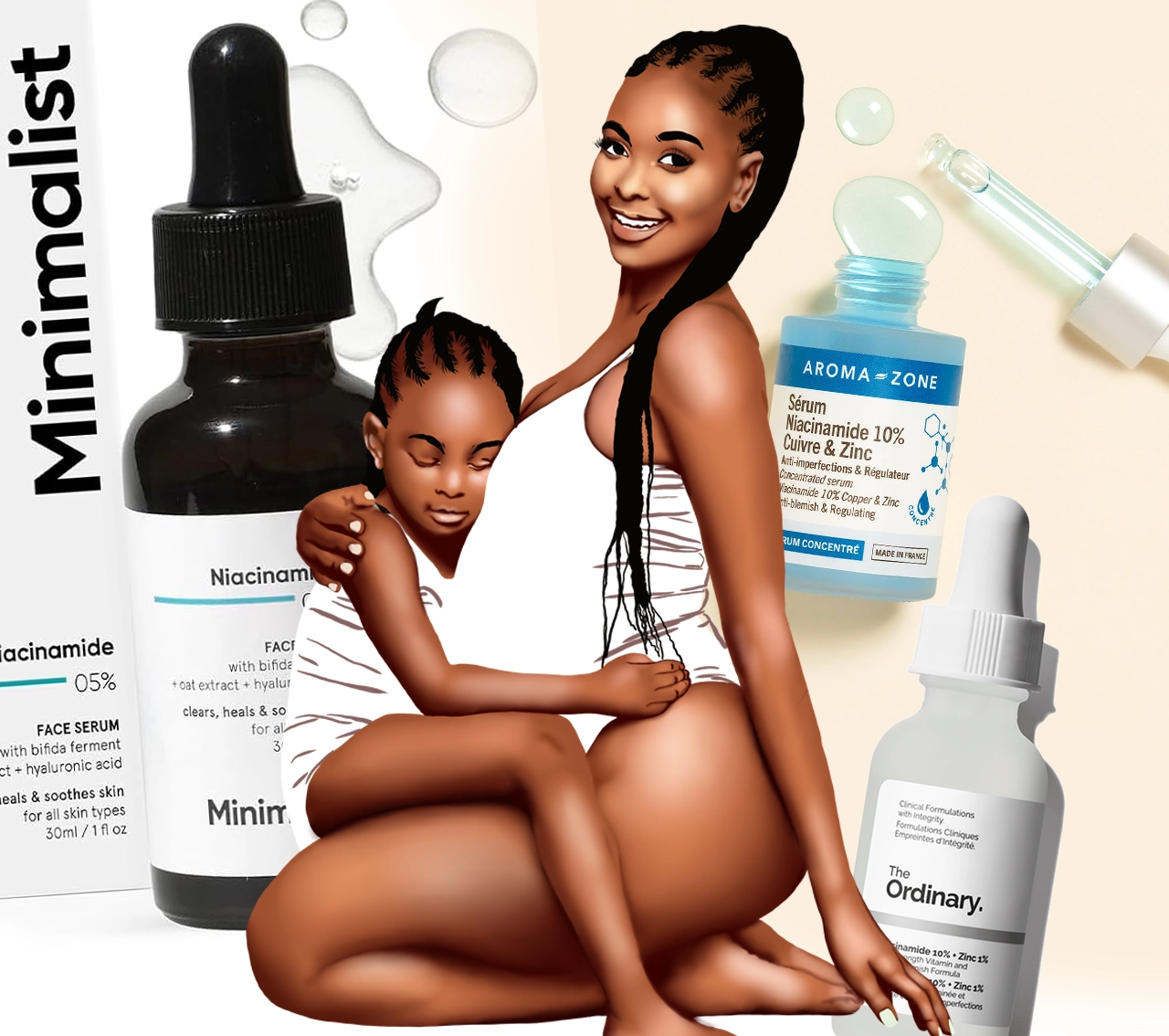
Major companies have begun supporting targeted research, notably by funding grants and scientific programs dedicated to the dermatology of skin of color.
The demand for products specifically designed for Black and mixed-race skin has grown significantly in recent years. Consumers are calling for formulas that respect the unique physiology of melanin-rich skin—a need that concerns both effectiveness and safety (prevention of hyperpigmentation, irritation, dryness, and cosmetic comfort). But faced with this growing demand, are there real specialists? Which brands stand out through genuine commitment, and which products are scientifically proven to work?
A Growing Field: The Rise of “Skin of Color” Dermatology
For decades, dermatological research centered almost exclusively on lighter skin types. Concerns specific to darker skin—such as post-inflammatory hyperpigmentation, keloids, or sensitivity to certain ingredients—were largely overlooked.
Today, things are changing. A dedicated scientific field, “skin of color” dermatology, has emerged. Organizations such as the Skin of Color Society (SOCS) have been created to promote education, research, and excellence in caring for patients with richly pigmented skin. SOCS plays a key role in training dermatologists, advancing research, and improving clinical recommendations worldwide.
Major companies, including L’Oréal, have also begun supporting targeted research, notably by funding grants and scientific programs dedicated to the dermatology of black skin. This shows that part of the industry is acknowledging the need to invest in science that actually represents global diversity.
What Do Black and Mixed-Race Skin Need? (and Which Ingredients Actually Work)
The main concerns for melanin-rich skin include: post-inflammatory hyperpigmentation (PIH), dark spots, dryness, uneven texture, and irritation. Dermatological literature highlights a few reliable, well-studied ingredients:
1. Sun protection (the foundation)
Daily broad-spectrum sunscreen is non-negotiable—not only for photo-aging protection but especially for preventing darkening of hyperpigmented areas.
Studies increasingly emphasize UV + visible light protection as essential for preventing worsening of PIH.
Formulas that do not leave a white cast (tinted or mineral-optimized sunscreens) are particularly recommended for darker tones.
2. Niacinamide
This form of vitamin B3 is clinically proven to reduce the transfer of melanosomes, fade dark spots, and soothe inflammation. It is well tolerated and especially suitable for sensitive or easily irritated skin.
3. Vitamin C (stabilized forms)
A well-formulated vitamin C serum provides strong antioxidant protection and brightening effects. It helps improve radiance and reduce hyperpigmentation—but stability is crucial for effectiveness.
These ingredients, combined with a gentle routine (avoiding harsh exfoliants or irritants), form the foundation of an effective and safe skincare regimen for Black and mixed-race skin.
Brands That Truly Deliver: Science, Inclusion, and Real Commitment
Some brands clearly invest in melanin-rich skin—not just through marketing, but through research, inclusive testing, and formulas that address real needs.
Fenty Beauty (Rihanna)
Rihanna’s brand revolutionized the makeup industry by finally providing high-performance shades for deep skin tones. Its success forced the beauty world to reconsider inclusivity standards and acknowledge a long-ignored market.
Eadem
A science-based brand specifically created for women of color. Its products are formulated to treat hyperpigmentation without irritating the skin, using gentle actives and rigorous testing on darker tones. Eadem represents a new generation of brands created from real unmet needs.
Black-Owned Beauty Brands
Lists curated by media outlets (Cosmopolitan, Oprah Daily) highlight dozens of Black-owned brands deeply committed to serving their communities. These brands often invest in fair representation, safe ingredients, and formulas tailored to melanin-rich skin.
The problem with stereotypes is not that they are untrue, but that they are incomplete.
Chimamanda Ngozi Adichie
Major Companies (e.g., L’Oréal)
Large corporations are increasingly supporting research on skin of color—through grants, dermatology collaborations, and product development initiatives.
However, genuine progress relies on more than funding: diverse teams, broader shade ranges, and inclusive formulation/testing practices remain essential.
How to Identify a Truly Committed Brand
Three key criteria distinguish real commitment from superficial marketing:
1. Scientific credibility
Does the brand test its products on deeper skin tones?
Does it collaborate with dermatologists specialized in skin of color?
Does it share clinical results?
2. Inclusive formulation
Are the products tested across multiple Fitzpatrick phototypes (IV–VI)?
Do the formulas avoid overly aggressive exfoliants or irritating actives?
3. Representation and transparency
Does the brand employ diverse experts and creators?
Are darker skin tones visibly represented in campaigns, testing, and R&D?
Is the product range genuinely inclusive?
Practical Advice for Choosing and Using Skincare
Here are the essentials for maintaining healthy, glowing Black or mixed-race skin:
Consult dermatologists trained in “skin of color” when dealing with persistent hyperpigmentation or irritation.
Use sunscreen every day, especially if you struggle with dark spots. Look for niacinamide, stabilized vitamin C, and anti-inflammatory ingredients. Avoid strong peels or harsh acids without professional guidance—these can worsen hyperpigmentation. Support brands founded by Black or minority entrepreneurs—this helps build a more equitable industry.

Related Posts



Stay Informed With the Latest & Most Important News








Advertisement
