
Now Reading: Maternity in Africa: Between Celebration and Systemic Challenges
-
01
Maternity in Africa: Between Celebration and Systemic Challenges

Maternity in Africa: Between Celebration and Systemic Challenges

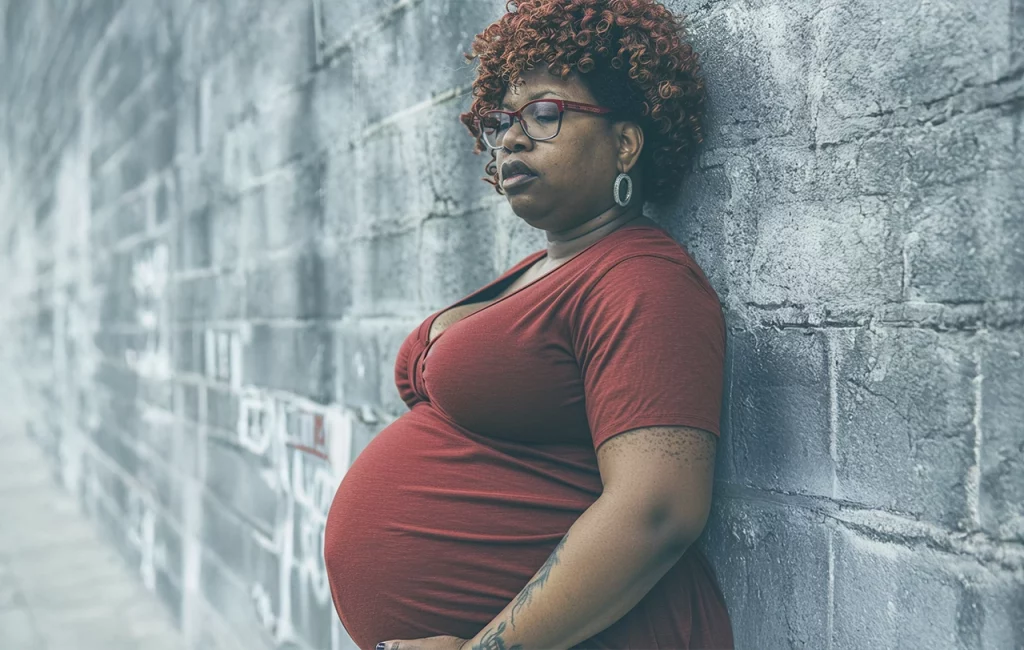
Pregnancy in Sub-Saharan Africa is far more than a biological event; it is a social pillar. Yet, for many Black women, this journey remains fraught with major obstacles. Between the distance from health centers, genetic predispositions (such as sickle cell disease or hypertension), and the weight of cultural norms, the challenges are real.
In Africa, the birth of a child is far more than a biological event; it is a founding act that ensures the continuity of the lineage and strengthens a woman’s social status. However, behind the songs and festivities lies a complex reality. For many Black women on the continent, pregnancy is a journey marked by systemic, medical, and social constraints.
Understanding these challenges requires an analysis of the intersection between deep cultural heritage and rapidly evolving healthcare systems.
The Weight of Infrastructural and Economic Disparities
One of the most direct constraints facing pregnant women in Africa is the unequal access to quality care. While capital cities may boast modern technical facilities, rural areas often remain “medical deserts.”
1. The Geographic Barrier and “Transport Delay”
In many regions, the first obstacle is distance. For a woman in labor, traveling dozens of kilometers on degraded roads—often without an ambulance—transforms a normal physiological situation into a life-threatening emergency. This delay in accessing care is one of the primary factors contributing to maternal mortality.
2. The Real Cost of “Free” Healthcare
Several African countries have introduced free prenatal care policies. However, these policies often clash with reality on the ground: drug stockouts, lack of basic supplies (gloves, gauze), or the cost of complementary exams (ultrasounds, blood tests). These “hidden” costs weigh heavily on precarious household budgets, pushing some women to abandon medical follow-ups in favor of unsafe home births.
Biological Specificities and Prevalent Pathologies
The maternal health of Black women in Africa is influenced by specific genetic and environmental factors that demand increased vigilance from the medical community.
1. Sickle Cell Disease: A Major Challenge
Sub-Saharan Africa is the region most affected by sickle cell disease. For a pregnant woman carrying the major form (SS) or even the intermediate form (SC), pregnancy is considered “very high risk.” The need for transfusions, the risk of vaso-occlusive crises, and vulnerability to infections require multidisciplinary monitoring that is not always available.
2. Induced Hypertension and Preeclampsia
Statistics show a higher predisposition to hypertensive disorders among populations of African descent. Preeclampsia, if not detected early through regular monitoring of blood pressure and albuminuria, can progress to eclampsia—a complication that is often fatal for both mother and child.
3. Nutritional Deficiencies and Anemia
Iron-deficiency anemia is endemic in several regions, aggravated by malaria and parasitic infections. An anemic pregnant woman has fewer reserves to cope with postpartum hemorrhages, which remain the leading cause of maternal death on the continent.
Sociocultural Constraints: Between Protection and Alienation
The African cultural context offers invaluable community support, but it also imposes norms that can become major constraints.
1. The Secrecy of Pregnancy and Delayed Care
In many communities, pregnancy is surrounded by a sacred mystery, often to protect the child from the “evil eye” or negative spiritual influences. This discretion leads many women to declare their pregnancy only in the second or even third trimester. This delay prevents the early screening of malformations or chronic pathologies.
2. Dietary Taboos and Their Consequences
Certain local traditions impose dietary taboos (prohibiting eggs to prevent the child from being bald, or meat to avoid a large baby that is difficult to deliver). These practices, though rooted in a desire for protection, deprive the woman of essential proteins and vitamins at a time when her nutritional needs are at their peak.
3. The Persistence of Traditional Birth Attendance
Despite medical progress, the traditional birth attendant (often called a “matron”) retains significant influence. She is perceived as more humane and closer to cultural rites than hospital staff, who are sometimes judged as brusque. However, the lack of emergency and aseptic training for some matrons remains a public safety constraint.
The hand that rocks the cradle is the same hand that carries the burden of the world; for that hand not to falter, society must offer her more than songs—it must offer her care.
Awa Thiam
The Double Burden: Work and Maternity
The African woman is often the economic pillar of the family. In Sub-Saharan Africa, the vast majority of women work in the informal sector (trade, agriculture).
- Absence of Maternity Leave: For a market vendor or a farmer, stopping work means an end to income. Consequently, women are often seen carrying heavy loads or standing for entire days until the eve of delivery.
- Physical Strenuousness: Access to water and fuel (firewood) rests on women. These intense physical efforts increase the risk of early miscarriage or premature birth.
Limits of Data Systems and Research
An often invisible constraint for women, but a real one for policymakers, is the lack of scientific data produced in Africa and for Africans.
Most medical protocols used are modeled after Western standards. However, physiological, climatic, and dietary realities demand local research. The lack of investment in African maternal health research limits the ability to create innovative, adapted solutions, such as low-cost screening tests for local pathologies.
Toward Solutions: Innovation and Empowerment
Despite this complex picture, glimmers of hope are emerging. Reducing constraints involves several levers:
- Mobile Technology (m-Health): Using SMS to remind women of prenatal visit dates and to disseminate nutritional advice.
- Integration of Matrons: Training traditional birth attendants to become health intermediaries, capable of identifying danger signs and quickly referring women to hospitals.
- Strengthening Financial Autonomy: Enabling women to have better control over household financial resources so they can prioritize their health.
Conclusion
Pregnancy among Black women in Africa is an experience of resilience. While culture offers a unique framework of solidarity, systemic constraints—whether economic, medical, or social—create a risky environment. For maternity to be a full celebration, it is imperative to invest in local infrastructure, respect the biological specificities of local populations, and transform social norms through education.
Disclaimer: This article does not replace medical advice. If you are pregnant, consult a healthcare professional regularly and perform the recommended exams to ensure your safety and that of your child.

Related Posts


Stay Informed With the Latest & Most Important News
Previous Post
Next Post








Advertisement
